 Bedding
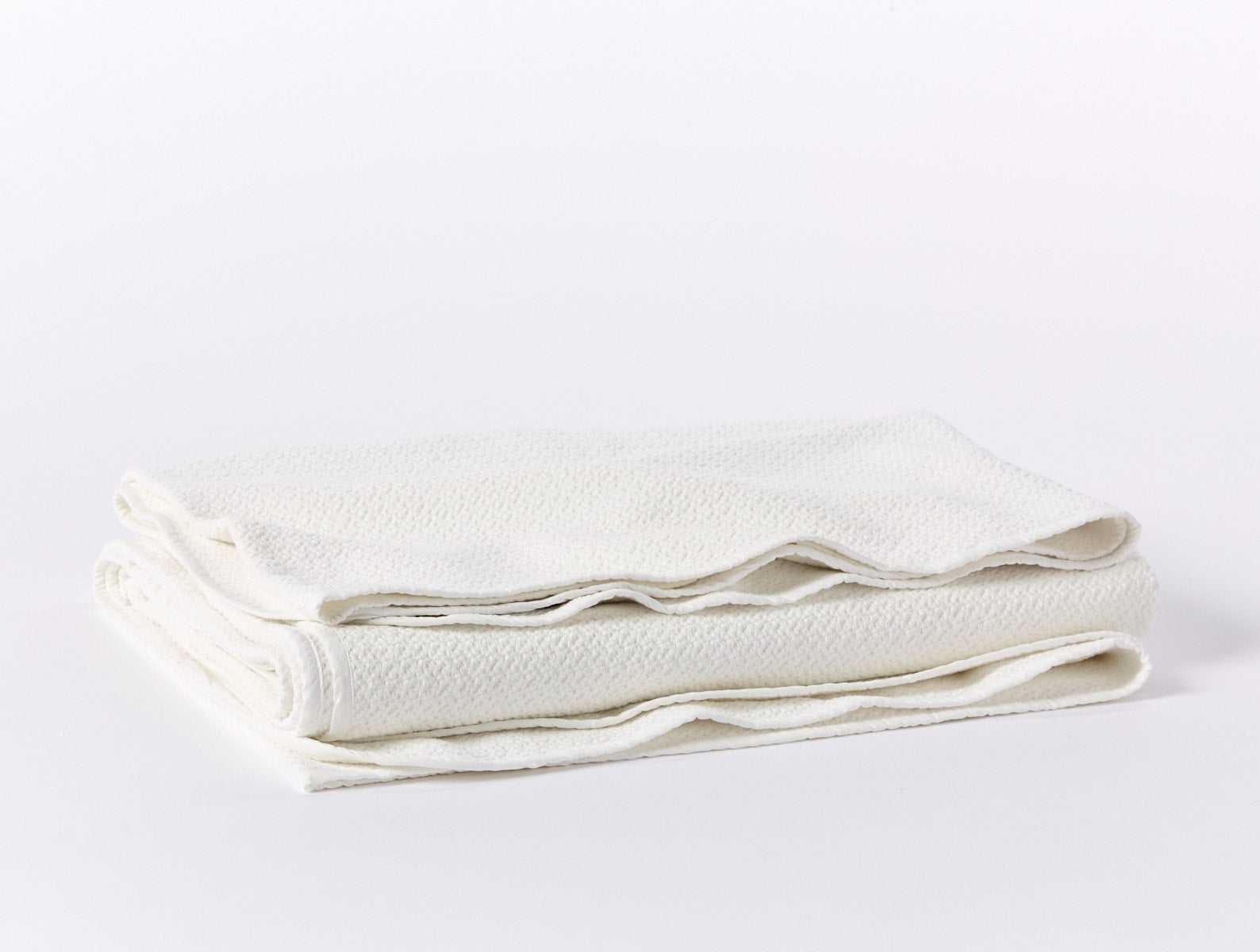
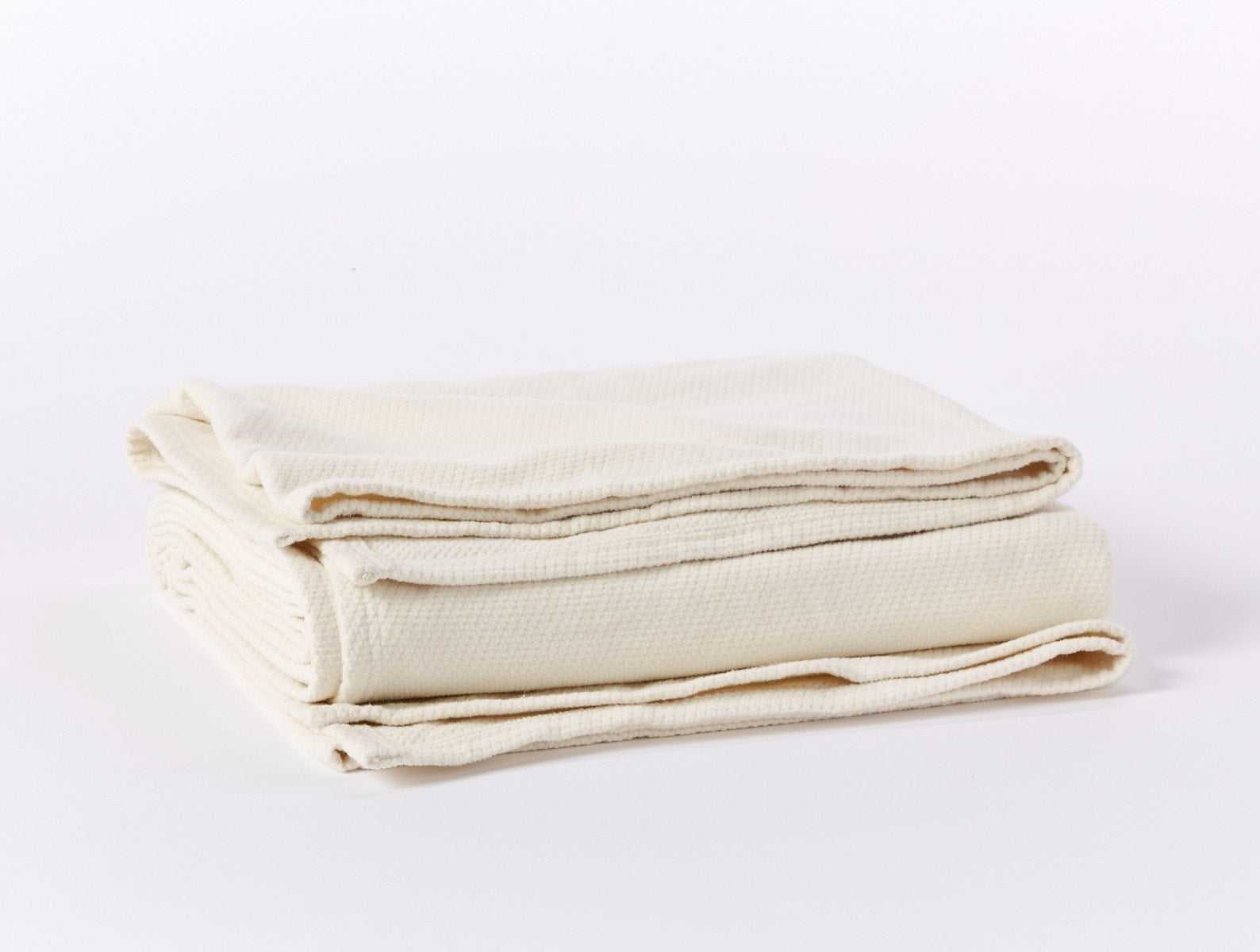
Honeycomb Organic Blanket
Experience pure softness with 100% organic cotton—a durable, pre-shrunk jacquard blanket that stays plush wash after wash, while gentle color variations add depth and a cozy feel.
Blankets are versatile home textiles designed to provide warmth, comfort, and decorative appeal across various living spaces. When selecting a blanket, consider fabric composition, weave, and warmth level to match climate, sleeping preferences, and room styling. Understanding material properties helps optimize temperature regulation, moisture control, and durability for everyday use and seasonal transitions.
Organic and natural fibers commonly contribute to gentle, breathable comfort, making them suitable for nurseries and sensitive skin. Features to note include fiber source, dye formulations, and certifications. For instance, blankets made with organic materials reduce exposure to harsh chemicals and support eco-conscious design without sacrificing softness or resilience.
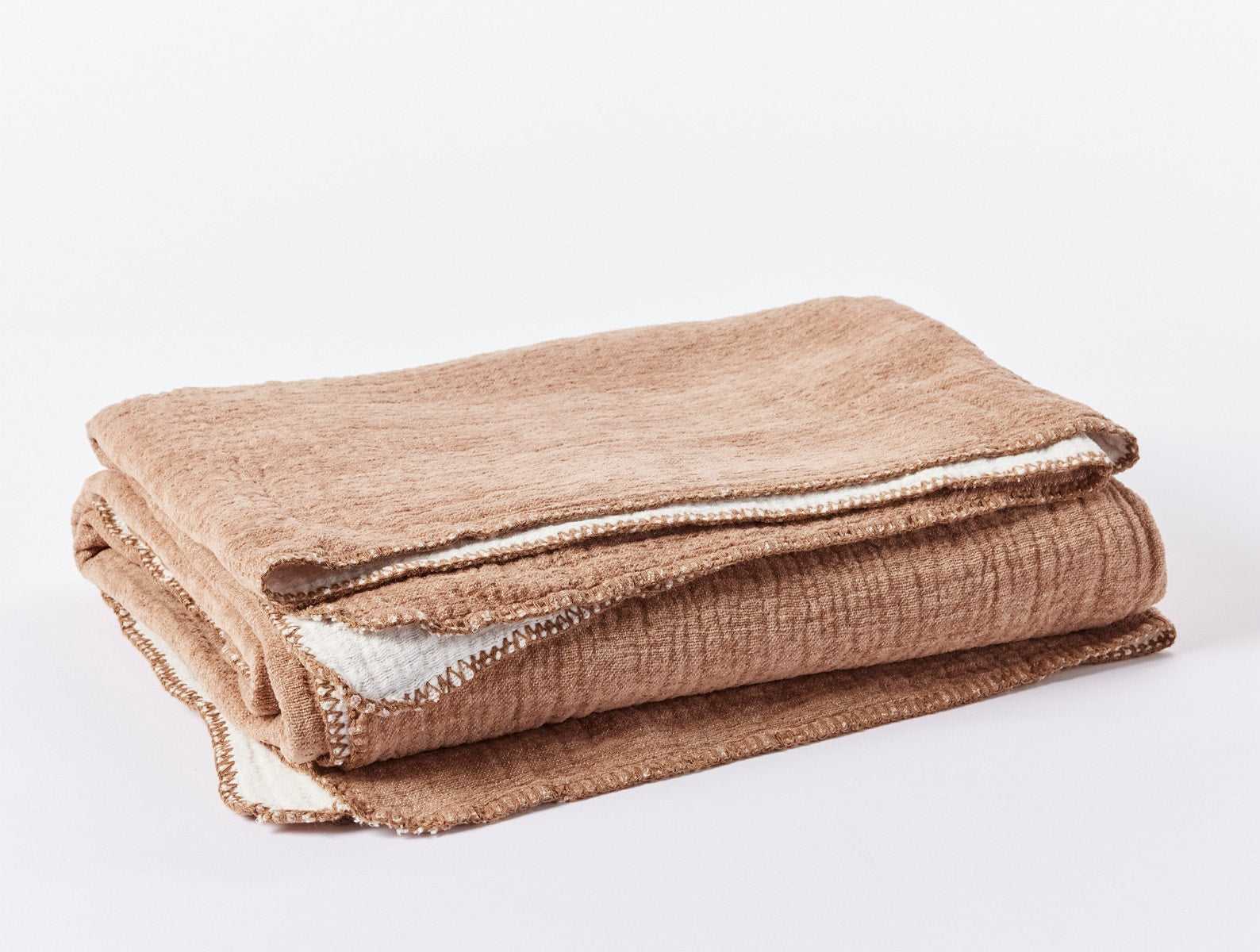
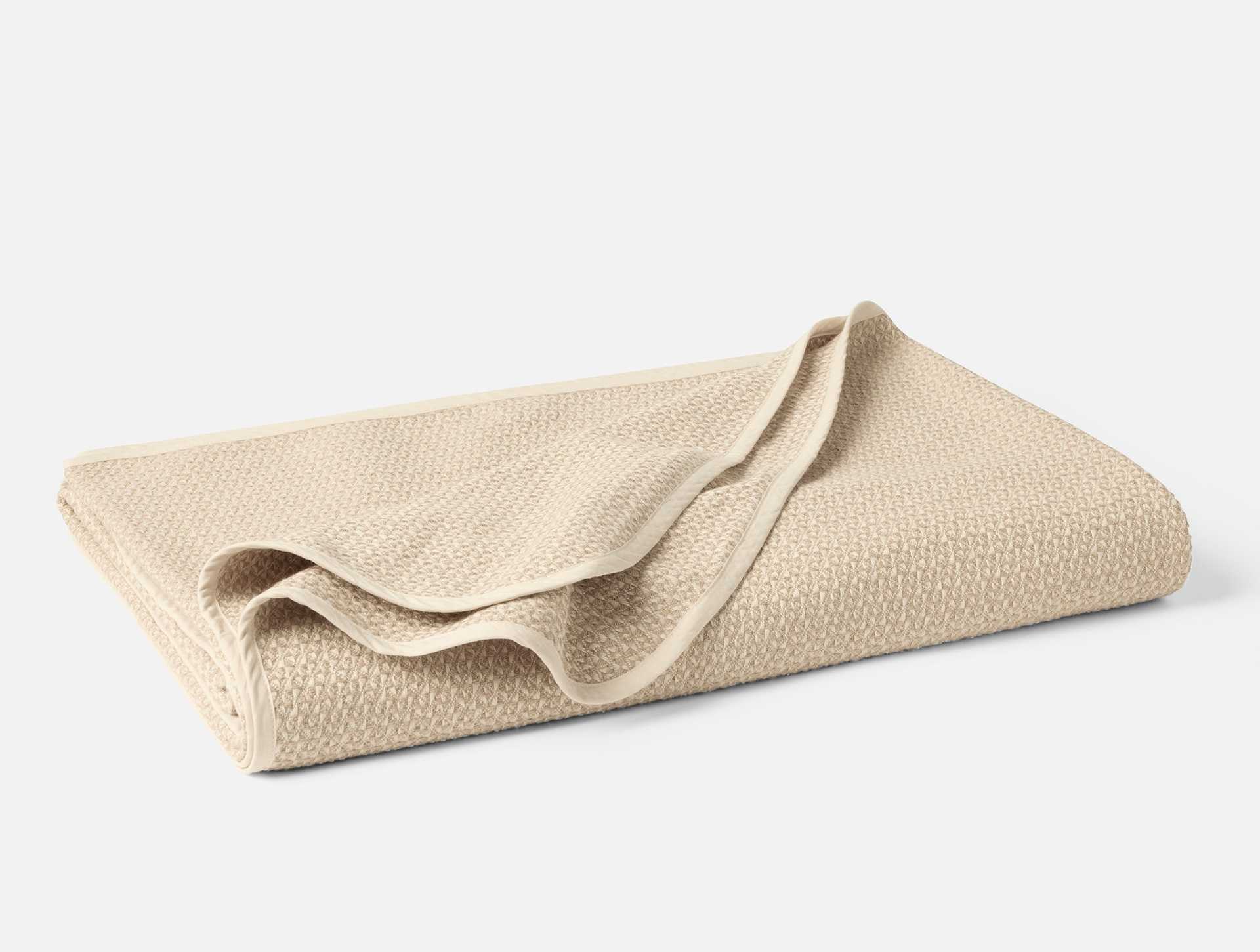
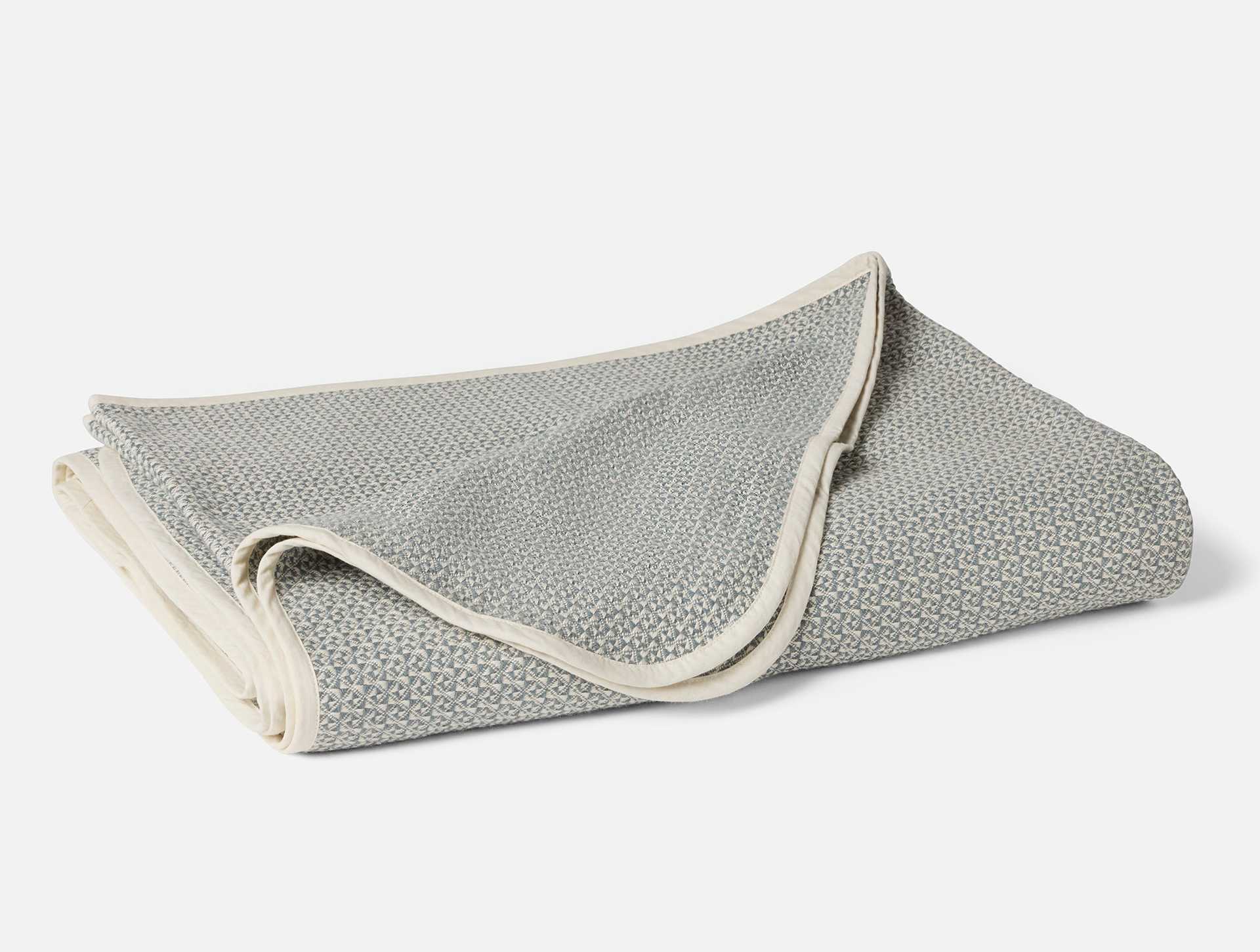
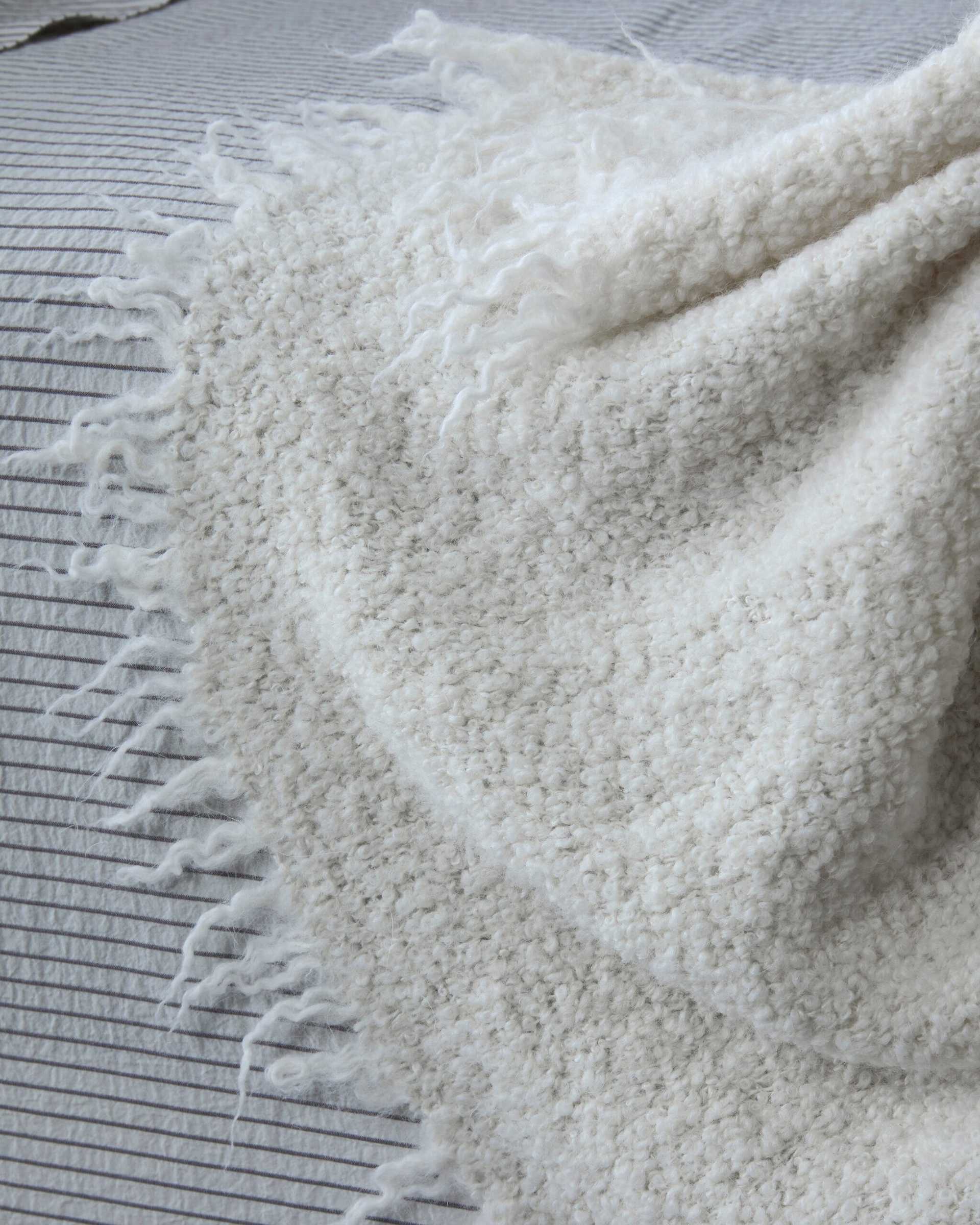
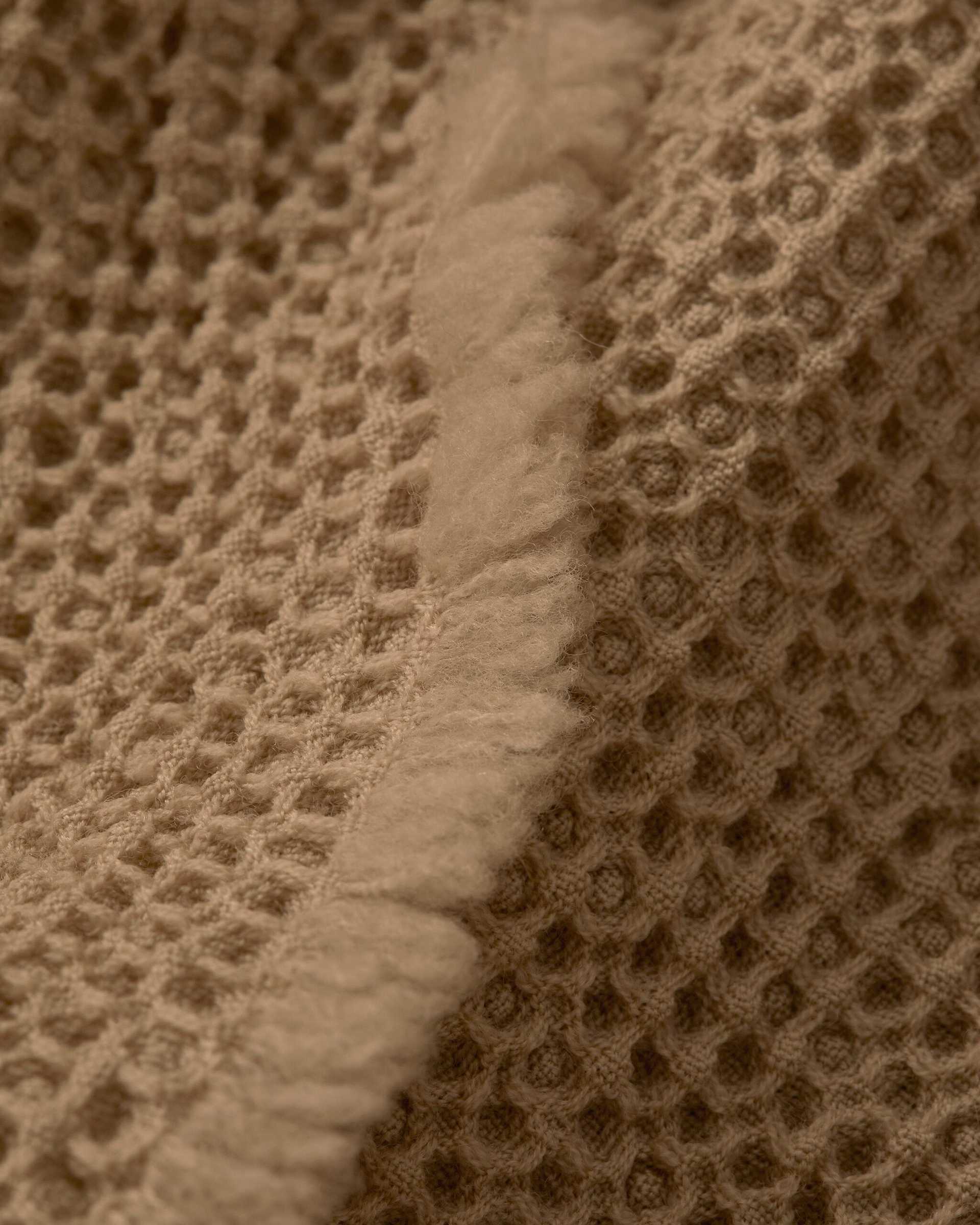
In the Blanket category, specific products such as the Honeycomb Organic Blanket emphasize a textured weave that enhances warmth without bulk. The Nid Blanket and Des Blanket illustrate variations in knit density and fiber blends, offering different levels of insulation, plushness, and air circulation to suit diverse sleeping environments.
The Tuis Blanket demonstrates how pattern, edge finishing, and weight contribute to both aesthetics and practicality. Each option serves multiple functions: as a layering piece for beds, a cozy throw on seating areas, or a protective cover during rest times. Durability, ease of care, and sizing are key factors in determining long-term usability.
Key considerations for bedding ensembles include coordinating with sheets, pillow covers, and nursery textiles to achieve a cohesive look. Meta keywords such as bedding, blankets, quilts, and pillow covers reflect the broader sleep environment, while references to nursery and organic crib bedding highlight suitability for infants. This category emphasizes comfort, safety, and sustainability in everyday sleeping spaces.
Bedding
 Bedding
 Bedding
 Bedding
 Bedding
 Bedding
 Bedding
 Bedding